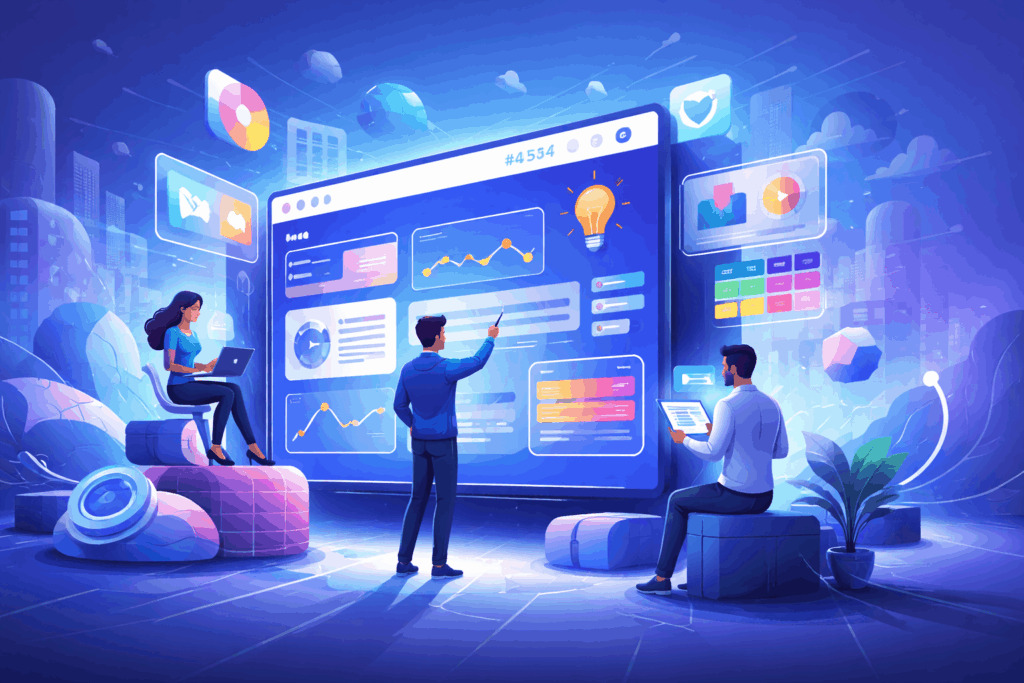
Making websites “look good” is no longer what web design is about. In 2026, the focus will be on producing experiences that are intuitive, fast, human, and intelligent. Today, a website plays a major role in how people discover brands, assess trust, and decide whether to engage or move on.
AI tools can now monitor user behavior, recommend layout improvements, produce design variations, and even personalize content in real time. Instead of guessing what works, designers and businesses can leverage data-driven insights to continuously improve the user experience.
For non-technical readers, think of AI as a digital assistant that monitors how visitors interact with a website and automatically improves it, similar to how streaming platforms recommend content based on viewing habits.
Websites become smarter with time. They respond to user behavior, increase conversion rates, and eliminate the trial-and-error process that used to make web design slow and expensive.
Personalization used to mean including a visitor’s name in a message. Personalization will be far more sophisticated and useful in 2026.
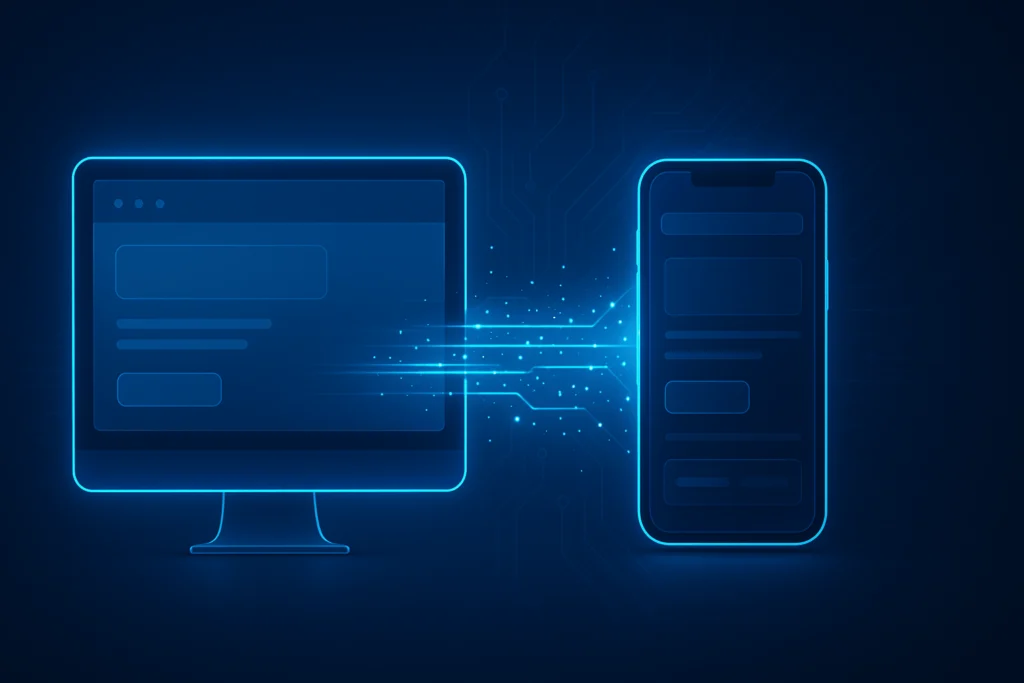
Modern websites now adjust content, layout, and even navigation based on who the visitor is, what they’re looking for, and how they arrived at the site. Returning customers may receive different messages than first-time visitors. Someone browsing on a mobile device may see a simplified layout compared to a desktop user.
This level of personalizing occurs silently in the background, without appearing intrusive or overbearing.
When content feels relevant, people are more likely to engage with it. Personalized experiences reduce confusion, improve trust, and help users take the right action faster.
In 2026, speed is no longer a technical issue; it is a design responsibility.
Users want websites to load swiftly and respond smoothly. Even minor delays can frustrate, damage trust, and drive visitors away. Designers now build with performance in mind from the start, using lighter layouts, optimized components, and smarter loading strategies.
For most users, this feels like a website that “just works.” Yet it has a direct impact on businesses’ engagement, search rankings, and income.
Fast websites keep users engaged. They reduce bounce rates, improve SEO, and create a positive first impression that lasts.
Animation is no longer about decoration. In 2026, motion design plays an important role in guiding people and communicating intent.
Subtle transitions direct users’ attention. Micro-animations confirm events like form submissions and button clicks. Smooth scrolling and feedback help webpages feel more natural and responsive.
Modern motion design prioritizes clarity and emotion above flashy effects, allowing people to comprehend what’s going on without the need for instructions.
Purposeful movements decrease confusion and boost confidence. Users are more comfortable interacting with websites that respond clearly and predictably.
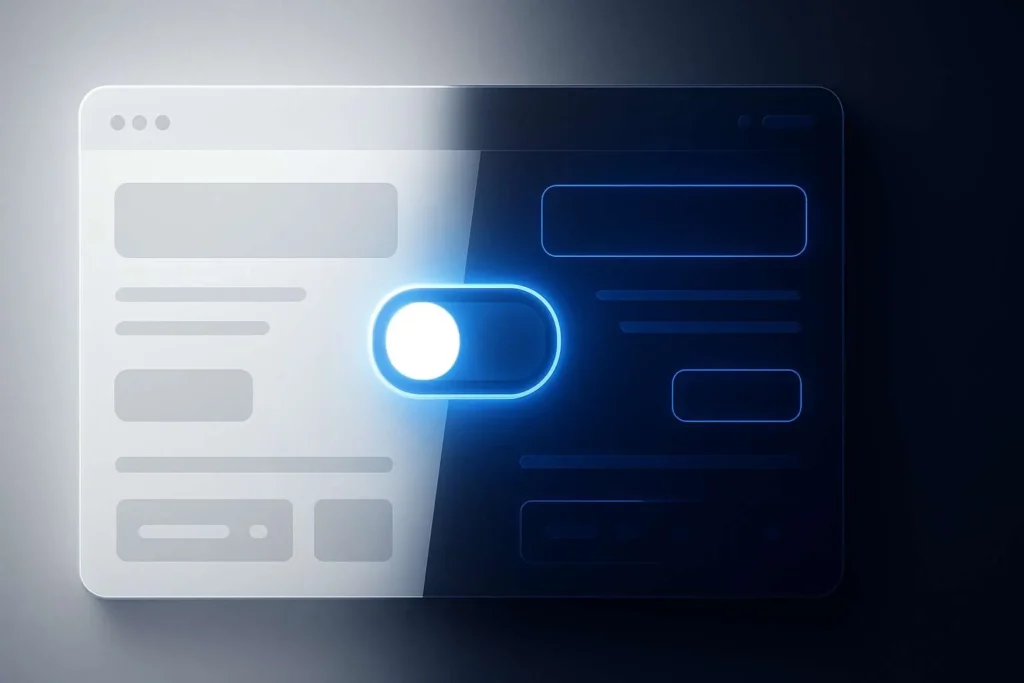
Dark mode evolved beyond a straightforward color switch. In 2026, websites will adapt intelligently to user preferences, device settings, lighting conditions, and accessibility needs.
Some users prefer dark mode to avoid eye strain. Others require a strong contrast for readability. Modern web design automatically respects these preferences, resulting in experiences that are both comfortable and considerate.
Adaptive interfaces are no longer considered “nice-to-have.” They are an example of thoughtful, user-centered design.
Users spend more time on a website when they feel at ease there. Adaptive design enhances accessibility, usability, and satisfaction.
In the past, content and design were handled separately. The design was added after the text had been written. This frequently resulted in visually appealing but incomprehensible websites or informational but dull webpages.
In 2026, content and design have become inseparable.
The design supports the message. Pace is controlled by typography. White space improves understanding. Visual hierarchy informs customers about what is important without forcing them to read everything.
For non-technical people, this makes webpages easier to navigate. Messages are delivered more clearly to advertisers. For businesses, visitors understand value faster.
Accessibility is no longer considered an optional feature or legal checkbox. In 2026, it is a key indicator of good design.
Real-world conditions are taken into account while designing accessible websites, including different devices, abilities, environments, and limitations. Clear content, logical navigation, readable colors, and predictable interactions benefit all users, not just those with disabilities.
Accessibility enhances usability, performance, and search visibility.
Accessible websites reach more people, build trust, and create better experiences for all users, not just a select few.
Earlier on, minimalism sometimes meant removing too much. In 2026, minimalism has progressed to intentional simplicity.
Each element on a page serves a purpose. The content is clear, not superficial. Design is calm and not vacant. Navigation is easy to use and does not feel restrictive.
This method reduces decision fatigue and allows users to focus on what truly matters.
Clear websites build confidence. When users understand what to do next, they’re far more likely to act.
The distinction between webpages and apps continues to fade. Users expect websites to be as fast, seamless, and interactive as native apps in 2026.
Progressive Web Apps (PWAs) enable websites to load quickly, function offline, and feel consistent across devices. From the user’s perspective, it simply feels better with no reloads, delays, or friction.
App-like experiences increase engagement, retention, and repeat visits without the cost of building separate apps.
Websites are no longer built and then forgotten. In 2026, they are designed as evolving systems.
Design systems use reusable components, uniform styles, and clear rules, allowing websites to expand without breaking. Businesses can update, expand, and adapt without having to rebuild from scratch.
This benefits designers, developers, and end users alike.
Design systems save time, reduce errors, and ensure consistency, turning websites into long-term business assets.
The future of web design isn’t about following trends for their own sake. It’s about responding to how people actually use the web and how businesses need to grow in a digital-first world.
In 2026, websites are faster, smarter, more human, and intentional. They don’t just exist online; they actively support marketing, sales, trust, and long-term success.
The question is not whether these developments will occur.
It’s a question of whether your website will keep up with them or fall behind.