

Why Your Website Shows English Validation Messages on Translated Pages (And How to Fix It)
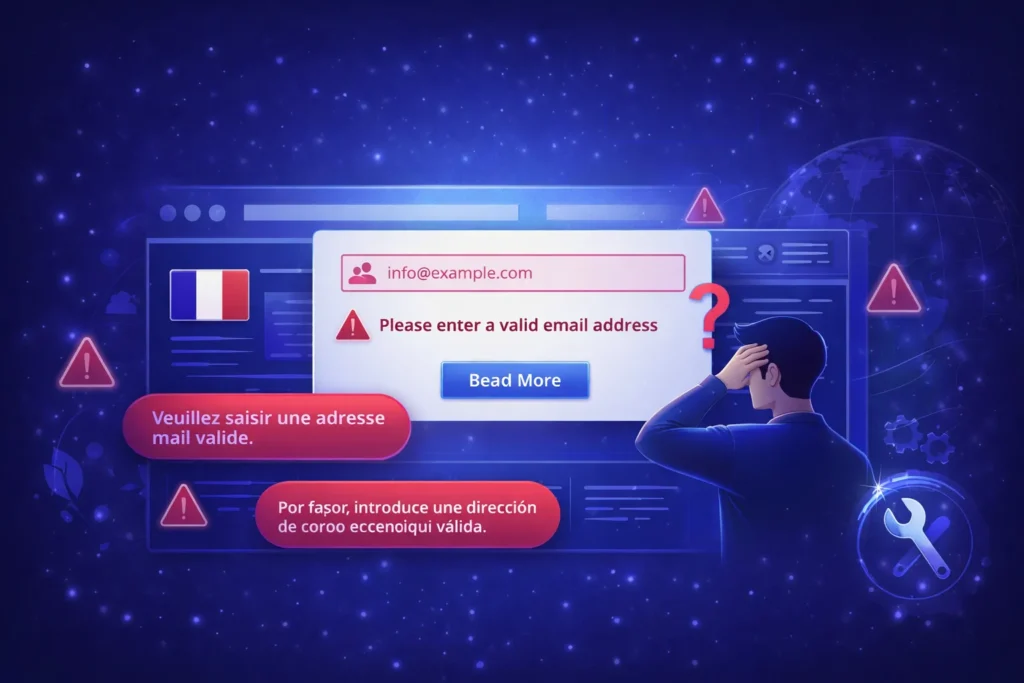
When a website is translated into another language, most of the interface usually changes correctly. Navigation menus, buttons, headings, and content all appear in the selected language. However, many developers notice something strange when users submit a form. Even though the website is translated into Spanish, French, or another language, some validation tooltips still appear […]
YouTube Channel Video Grid with Modal Popup (WordPress Custom Development)
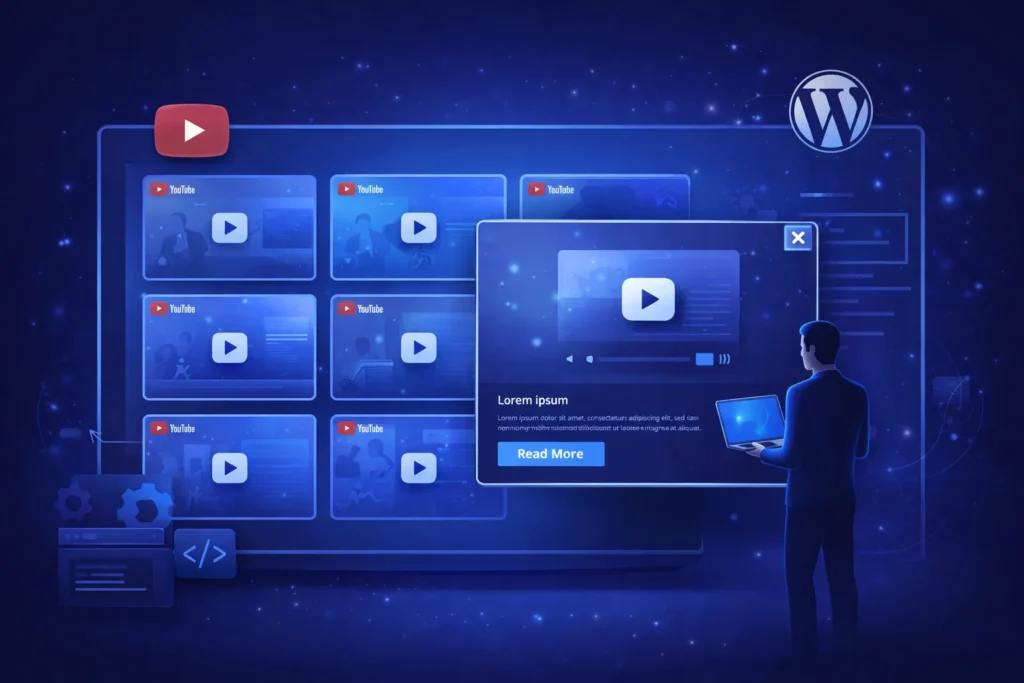
This feature allows embedding and dynamically displaying videos from any YouTube channel directly on a WordPress website without using third-party plugins or the YouTube Data API. The system fetches the latest videos from a selected YouTube channel using the YouTube RSS feed and WordPress’s native fetch_feed() function. It automatically retrieves the most recent 12 videos, […]
Cloud Hosting vs Traditional Hosting: What Businesses Need to Know

Hosting is where your website’s files, graphics, databases, and logic are stored – and how they are delivered to users all over the world. The main difference between traditional and cloud hosting is how much pressure your website can withstand without breaking.
The Death of Keyword Stuffing: Smarter SEO in 2026
To understand why keyword stuffing is not dead, we must first understand why it ever worked. Early search engines were quite simple. They did not “read” content as humans do. They scanned the pages looking for words that matched. The more frequently a keyword appeared, the more relevant the page seemed.
The Future of Web Design: 10 Trends to Watch in 2026

Making websites “look good” is no longer what web design is about. In 2026, the focus will be on producing experiences that are intuitive, fast, human, and intelligent. Today, a website plays a major role in how people discover brands, assess trust, and decide whether to engage or move on.
From Web to App: How Progressive Web Apps (PWAs) Are Changing the Game

For years, businesses have faced a tough decision: should they invest in a responsive website that works across all platforms, or should they develop a native app that provides a more immersive user experience? Each offered advantages, as well as significant drawbacks. Websites were accessible, but typically lacked pace and engagement. Apps provided immersion, albeit at a hefty cost and with constant updates.
Dark Mode Websites: Should Your Brand Make the Switch?

One of the most significant changes in digital design in recent years has been the use of dark mode. What began as a streamlined aesthetic choice has evolved into a global taste, embraced by everyone from developers to everyday users. The dark interface has dominated cellphones, PCs, and apps.
From Clicks to Customers: Designing with Psychology in Mind

The best websites are more than just visually appealing; they also feel right. Visitors can’t always explain why they trust one brand, stay longer on one website, or make a purchase more easily – but it’s rarely by chance. Every high-converting, engaging website is built on psychology-driven design principles.
Voice Search Optimization: Designing for “Hey Google”

There’s a reason why some websites feel like floating across glass and others like struggling through molasses. The difference is frequently boiled down to three technical but critical performance boosters: lazy loading, caching, and compression.
From Template to Tailor-Made: The True Value of Custom Web Development

At first glance, website templates seem to be the ideal option. They’re inexpensive, quick to set up, and look “good enough.” Drag, drop, and publish, and your business will be online.